
The Role of Texture in Shaping Spatial Identity

Before a space takes physical form, it is first defined by an identity. Whether it is a sophisticated workplace or a welcoming hospitality venue, every environment is guided by an intended character that reflects the people who inhabit it and the purpose it serves. Colour palettes, materials, furnishings, and lighting often receive the spotlight in defining this identity, yet one of the most influential contributors works more quietly in the background: texture.
Texture adds dimension to the design language of a space, transforming surfaces from mere visual elements into meaningful experiences. It influences how we perceive, interact with, and ultimately remember an environment. More than a decorative layer, texture is a powerful design tool that shapes both the identity and atmosphere of a space.
Adding Visual Interest and Character
Texture introduces richness and complexity to an interior, preventing it from appearing flat or one-dimensional. Even within a restrained colour palette, the thoughtful layering of textures can create a visually engaging environment that feels dynamic and purposeful.
For example, a smooth painted wall takes on a completely different presence when paired with fluted panels, textured laminates, woven fabrics, or natural stone finishes. These surface treatments create moments of visual intrigue that invite the eye to explore the space further.
In commercial environments, texture also plays an important role in expressing brand identity. A technology company may favour sleek metallic finishes and refined surfaces that communicate innovation and precision, while a wellness brand may lean towards natural timbers, tactile fabrics, and organic textures that evoke comfort and authenticity. Through texture, design becomes an extension of a brand's values and personality, helping visitors form an immediate impression upon entering the space.
Creating Ambiance Through Light and Shadow
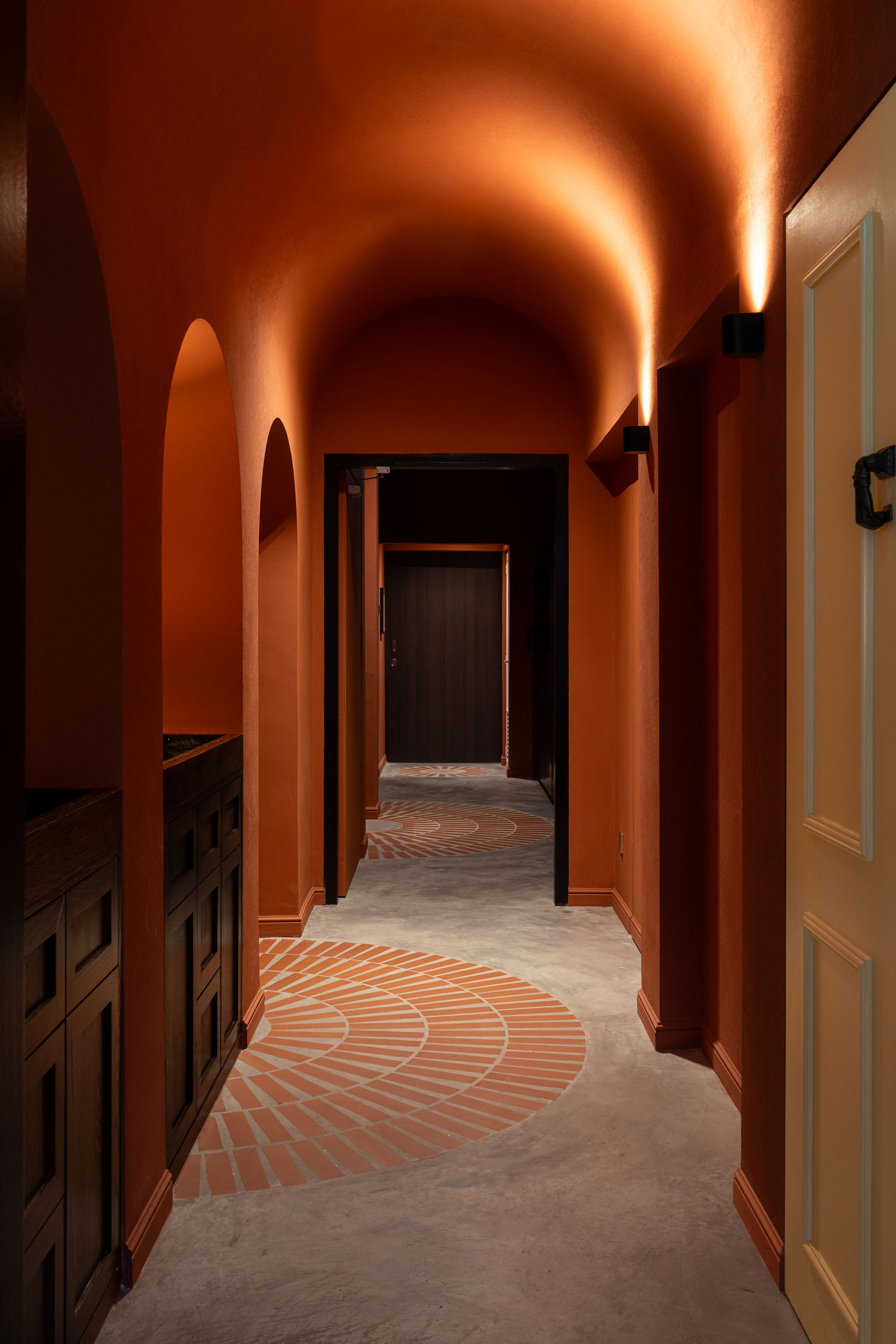
Texture has a unique relationship with light. The way a surface reflects, absorbs, or diffuses light can significantly influence the overall mood of an environment.
Smooth and polished finishes tend to reflect light, creating a sense of openness, brightness, and sophistication. In contrast, textured materials absorb and scatter light, introducing softer transitions, subtle shadows, and greater visual depth. As natural daylight shifts throughout the day and artificial lighting responds to different activities, textured surfaces continuously interact with their surroundings, changing the way a space is experienced.
This interplay of light and shadow adds a layer of richness that cannot be achieved through colour alone. It transforms ordinary surfaces into dynamic design features and contributes to an environment that feels multidimensional and visually engaging. Without texture, even the most carefully curated interior can appear static and lifeless.
Establishing Atmosphere and Design Intent
Beyond visual appeal, texture plays a fundamental role in communicating the intended atmosphere of a space. Different textures evoke different emotional responses, helping designers create environments that align with specific functions and experiences.
Natural wood grains often introduce warmth and a connection to nature. Velvet and plush textiles convey a sense of elegance and opulence. Polished marble, glass, and metallic finishes deliver a sleek, contemporary aesthetic associated with refinement. Meanwhile, raw concrete, exposed brick, and unfinished metals can introduce an industrial character that feels bold and authentic.
By carefully selecting and combining textures, designers are able to establish a clear narrative and reinforce the overall design concept. Much like colour, texture becomes a language through which a space communicates its personality and purpose.
Creating a Meaningful Sensory Experience
Great design engages more than the eye alone. Texture introduces a tactile dimension that enriches how people interact with a space, creating a sensory experience that leaves a lasting impression.
Even before a surface is physically touched, the eye instinctively interprets its texture and forms expectations about how it may feel. Soft upholstery suggests comfort, while smooth stone conveys coolness and luxury. These subtle cues influence emotional responses and shape perceptions of the environment.
This sensory layer is particularly important in workplaces, where design can directly impact the wellbeing and experience of employees. The thoughtful integration of textures can help create an environment that balances focus and relaxation, professionalism and comfort. Tactile materials soften the structured nature of office settings, introducing warmth and human-centred qualities that support both productivity and wellbeing.

Ultimately, texture helps transform a space from something that is merely seen into something that is genuinely experienced.
Designing Beyond the Visual
Texture is often one of the most understated elements of interior design, yet its influence extends far beyond aesthetics. It brings depth to colour palettes, enriches the interaction between light and material, establishes atmosphere, and creates memorable sensory experiences.
When thoughtfully applied, texture becomes more than a surface treatment. It is a design layer that gives a space its unique character, reinforces its identity, and shapes the experience within it. In the same way that a well-crafted story relies on nuance and detail, a well-designed space relies on texture to bring its narrative to life.
from blog
Related posts

Type keywords...
Connect With Us!
Get in touch! We would like to hear from you.


Copyright © 2026 Paramount Scalable Sdn Bhd (1597716-W)