
Designing for Every Mind: Creating Inclusive Office Spaces
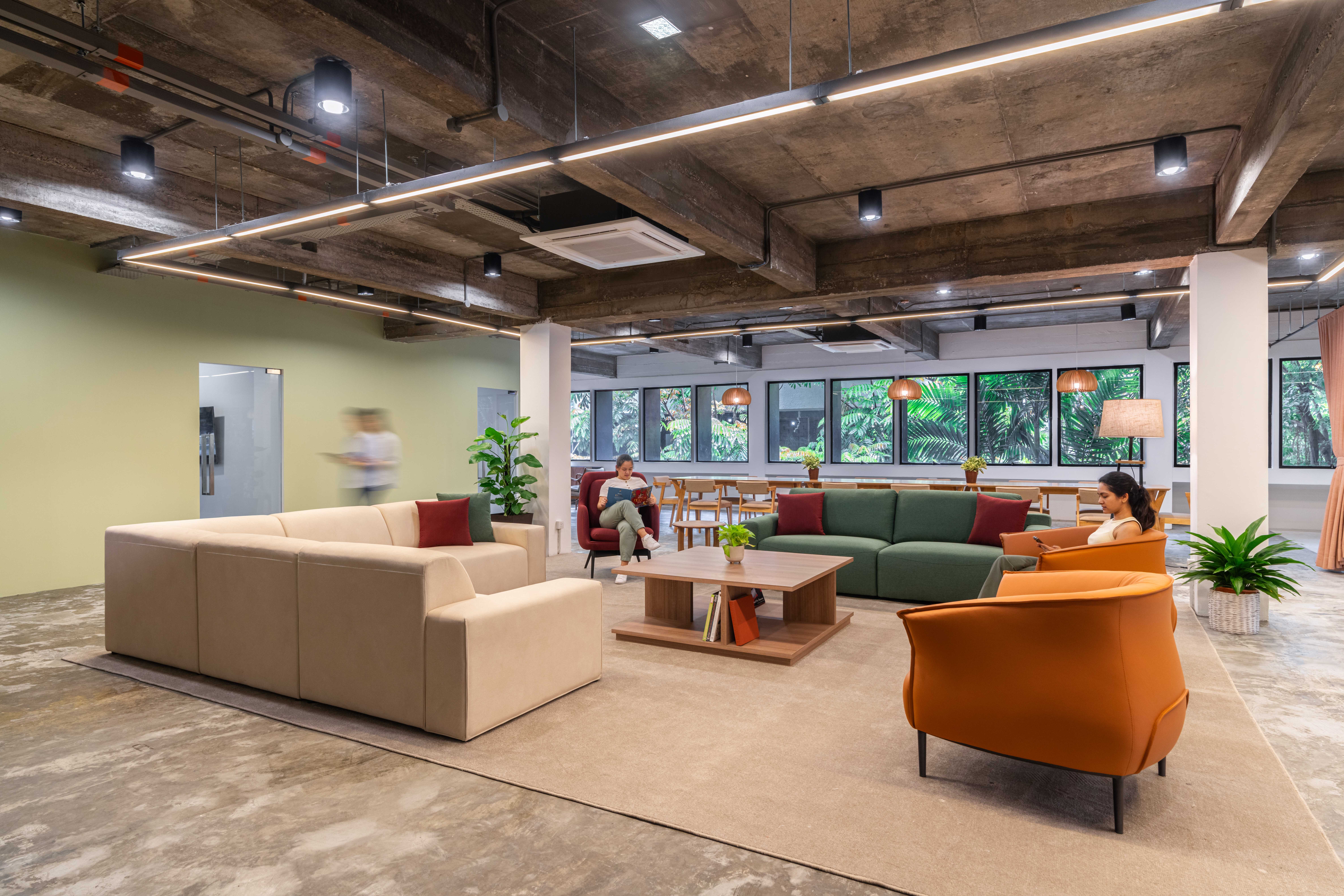
As Malaysia’s workforce evolves, so too must the workspaces. Today’s offices are no longer just about desks and meeting rooms; they are about people. With millennials and Gen Z dominating the workforce and Gen Alpha soon to join, the call for inclusive, human-centric design has never been stronger. Among the most meaningful shifts is the growing awareness around neurodiversity: The idea that people experience and interact with the world in many different ways, and that there is no one “right” way to think, learn, or work.
For business owners aiming to create inspiring, future-ready work environments, understanding and designing for neurodivergent individuals i.e. those who may be autistic, ADHD, dyslexic, or have sensory sensitivities is not just compassionate. It’s smart business. Inclusivity fuels creativity, engagement, and retention - key ingredients for thriving organisations.
Here’s how thoughtful office design can help achieve that.
1. Sensory-Friendly Zones
Open-plan offices, while great for collaboration, can be overwhelming for individuals who are sensitive to noise or movement. Creating sensory-friendly zones e.g. quiet areas with acoustic panels, soft furnishings, and dimmable lighting allows employees to focus or recharge without overstimulation. In Malaysian contexts, where office spaces often blend modern and tropical elements, integrating natural materials and greenery can further soften the environment, providing a calm, grounding effect that benefits everyone.
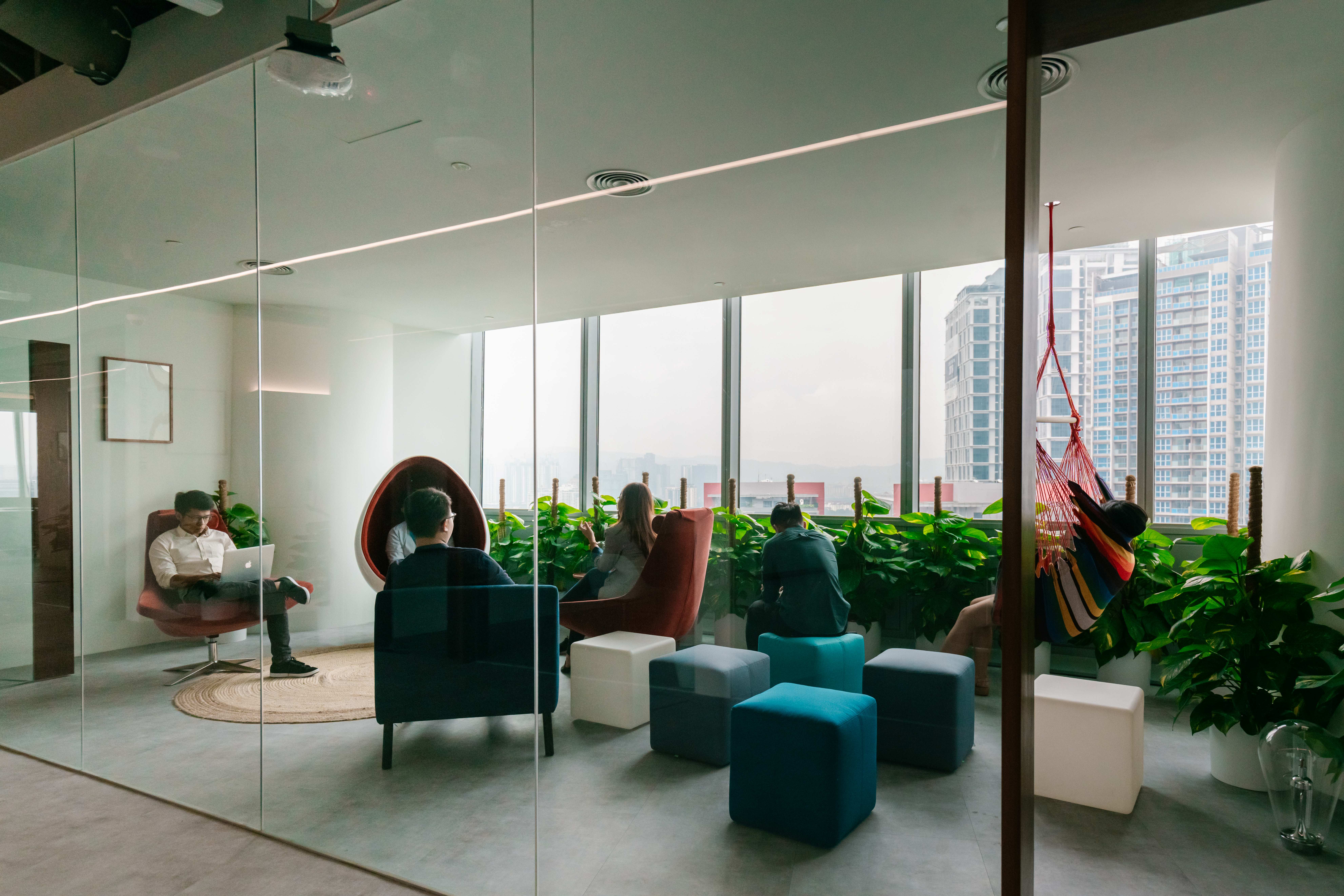
2. Choice and Flexibility
Neurodivergent individuals thrive when they have control over their environment. Incorporating different types of work settings - focus pods, collaborative lounges, high-energy brainstorming corners, and low-stimulation retreats - empowers employees to choose spaces that suit their tasks and moods.
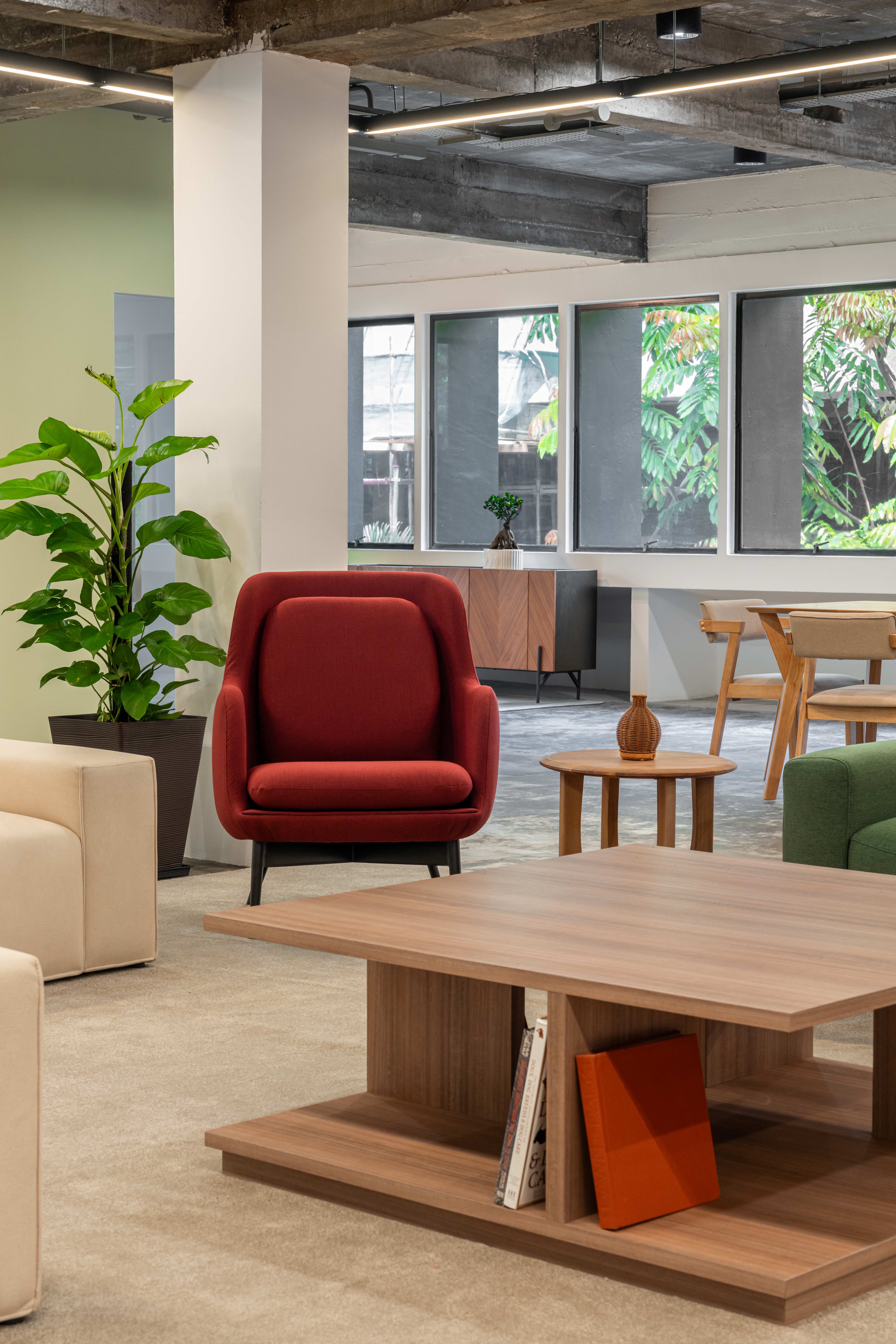
Incorporating flexible seating and mobile furniture allows for effortless transitions between solo work and teamwork, aligning perfectly with the agile working styles preferred by millennial and Gen Z professionals.
3. Thoughtful Lighting Design
Lighting is one of the most underestimated aspects of office design. Harsh fluorescent lights can cause discomfort and distraction. Instead, consider layered lighting solutions: a mix of natural daylight, adjustable task lamps, and indirect ambient lighting. Access to daylight and views of the outdoors are proven to enhance mood and focus, while tunable LED systems can help maintain circadian rhythms, improving overall wellbeing.
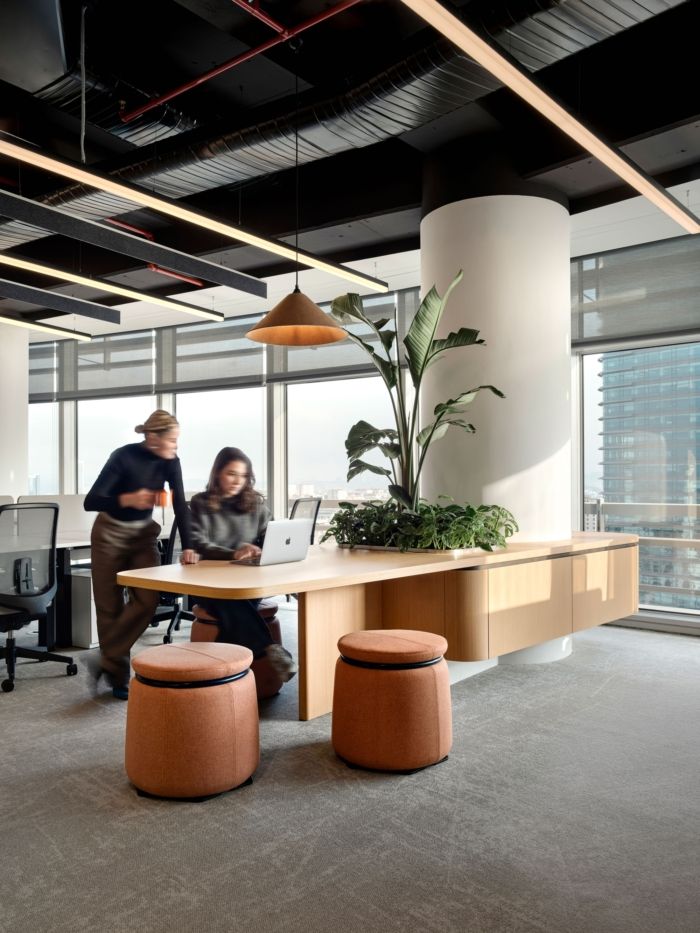
4. Colour and Visual Clarity
For neurodivergent minds, cluttered visuals or overly bright colours can be distracting. Using neutral tones with strategic accents helps maintain a sense of calm and focus. Colour can also be used to create intuitive navigation cues—think zones differentiated by gentle colour shifts rather than bold contrasts. Incorporating biophilic design—patterns, textures, and hues inspired by nature—can also foster a sense of comfort and connection, aligning with biophilic design trends that celebrate natural materials and local context.
5. Clear Wayfinding and Spatial Logic
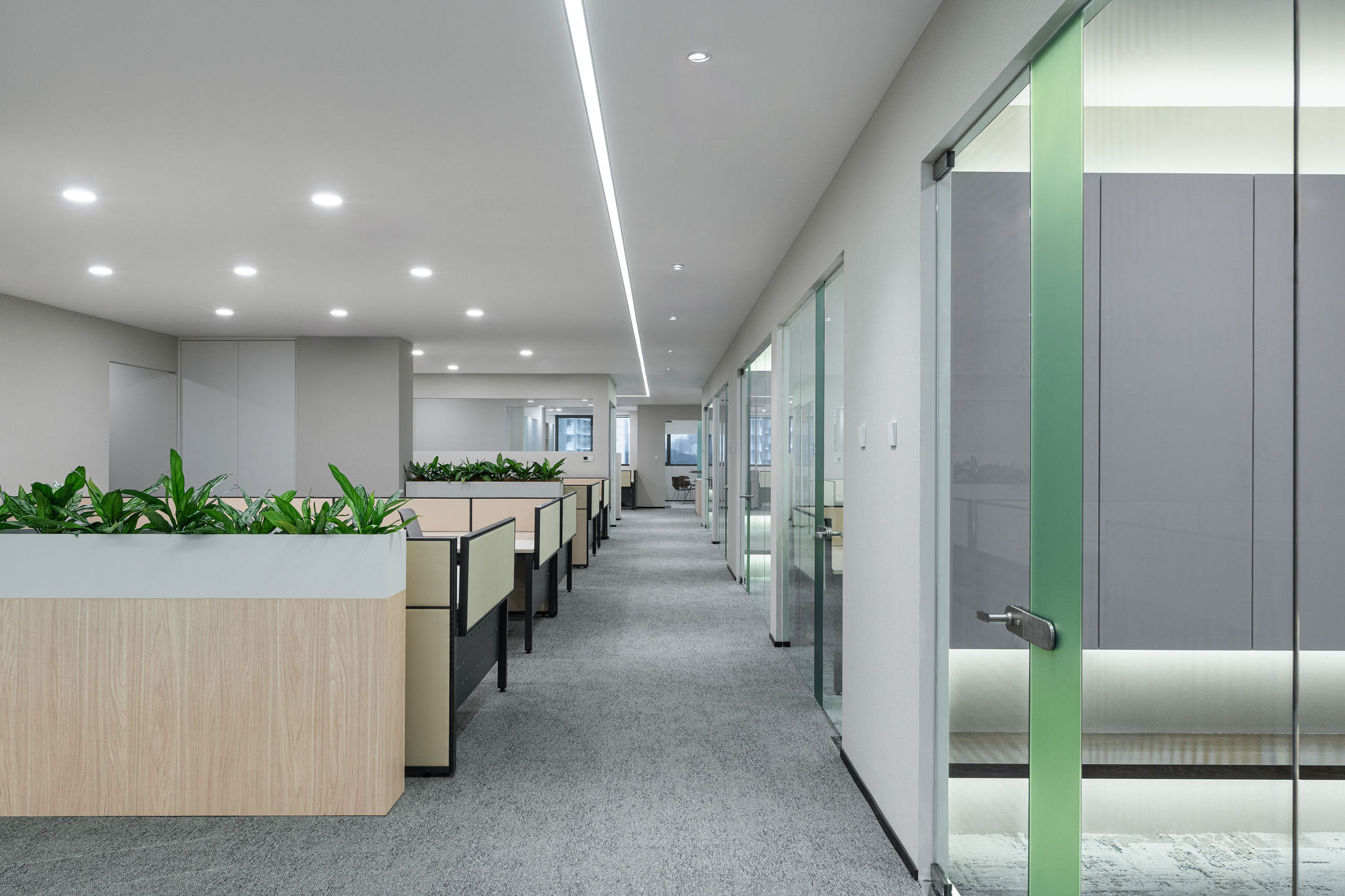
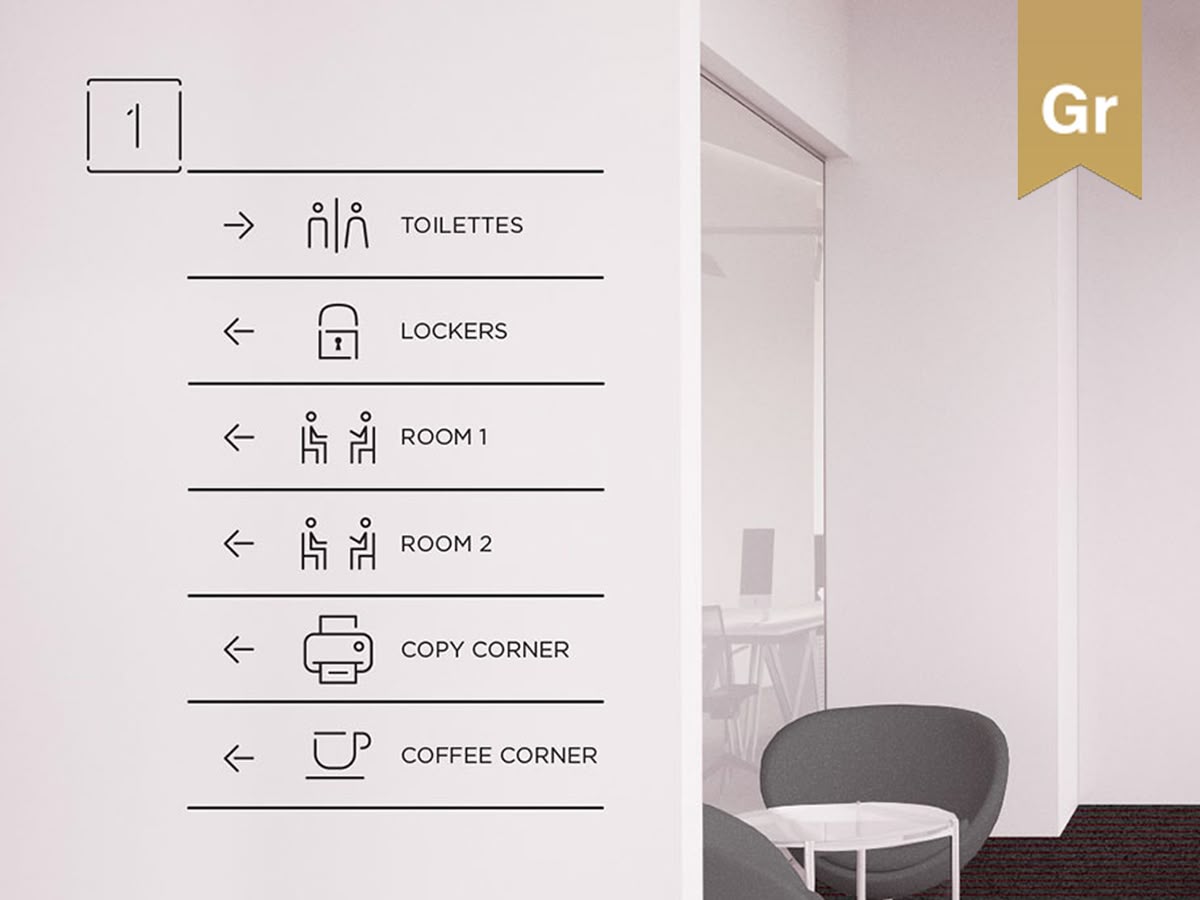
A sense of orientation reduces cognitive load. Designing clear circulation paths, distinct zones, and visible landmarks—like a feature staircase or unique art installation—helps employees and visitors alike navigate the space with ease. Simple visual cues and intuitive signage systems are particularly helpful for those who process spatial information differently.
6. Restorative and Wellness Spaces
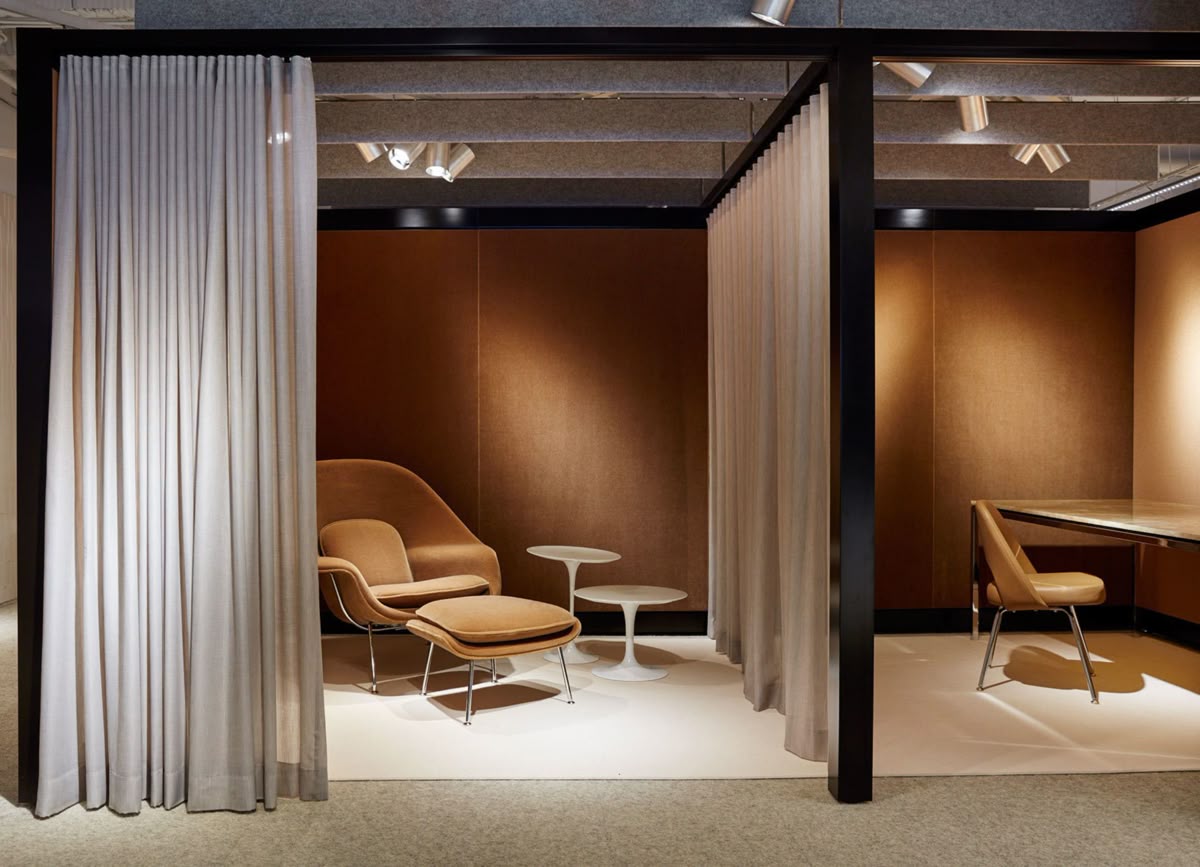
Neuroinclusive, thoughtful workplaces recognise that rest and sensory regulation are part of productive work. A wellness room or “quiet reset” zone equipped with comfortable seating, soft textures, and gentle lighting provides a sanctuary for decompression. For larger offices, multi-sensory spaces offering both stimulating and soothing elements can help employees self-regulate according to their needs.
Why Does This Matter in the Workspace?
Designing for neurodiversity is not a niche concern. It’s the future of inclusive work culture. Various studies and research have shown that diverse teams outperform homogeneous ones in innovation and problem-solving. By investing in a workspace that accommodates different cognitive needs, businesses also attract and retain top talent, enhance employee wellbeing, and strengthen their reputation as forward-thinking employers.
In Kuala Lumpur & Selangor’s competitive landscape, where young professionals value purpose-driven, people-first workplaces, inclusivity becomes a differentiator. As Gen Alpha approach adulthood and will soon join the workforce, they will expect nothing less than environments that embrace diversity in all its forms.
In essence, designing for neurodivergent individuals is about creating a workspace that supports every mind. Through thoughtful planning in addressing sensory needs, flexibility, lighting, colour, and wellness, businesses can build offices that not only look good but feel good to work in because when everyone is comfortable being themselves, creativity, collaboration, and innovation naturally thrive.
from blog
Related posts

Type keywords...
Connect With Us!
Get in touch! We would like to hear from you.


Copyright © 2026 Paramount Scalable Sdn Bhd (1597716-W)